
- From
-
Published on
06.09.19
- Impact Area
-
Funders
Gates Foundation
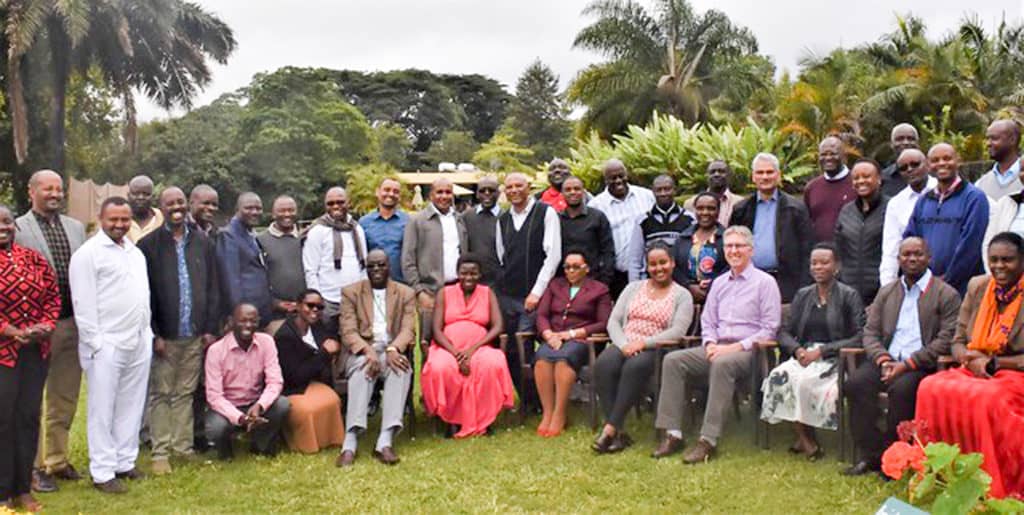
Developing crop varieties that meet the needs of all stakeholders, with farmers, value chain actors and end-use consumers having specific needs for attributes of breeds or varieties, is a challenging task. Defining, communicating and incorporating desirable traits into breeding programs requires focused interaction between different disciplines and stakeholder groups in a process known as product profile development.
With this in mind, partners of the AVISA project (https://www.avisaproject.org/) got together to brainstorm about market demands, climate change adaptation and nutrition needs, so that these could be brought together most efficiently in product profiles for the project target crops – sorghum, millet, pigeonpea, chickpea and groundnut. They also learnt to use tools and techniques to enable effective product profiles to be developed.
Related news
-

ICRISAT to Deliver World-Class Services as CGIAR’s Breeding Resources South Asia Hub
07.07.25-
Biodiversity
-
Food security
Strategic collaboration to scale innovation and deliver harmonized, high-quality support across CGIA…
Read more -
-

Multifunctional Landscapes that reconcile food production, with ecosystem restoration and biodiversity conservation
06.07.25-
Biodiversity
-
Environmental health & biodiversity
The CGIAR Multifunctional Landscapes Science Program (MFL SP) is driven by a bold vision of…
Read more -
-

PABRA and Rwanda’s Agriculture Ministry chart new path for bean value chain transformation at ACAT Conference
30.06.25-
Nutrition, health & food security
-
Poverty reduction, livelihoods & jobs
As Rwanda continues efforts towards eradicating malnutrition, the bean crop continues to be a symbol…
Read more -