
- From
-
Published on
10.05.19
- Impact Area
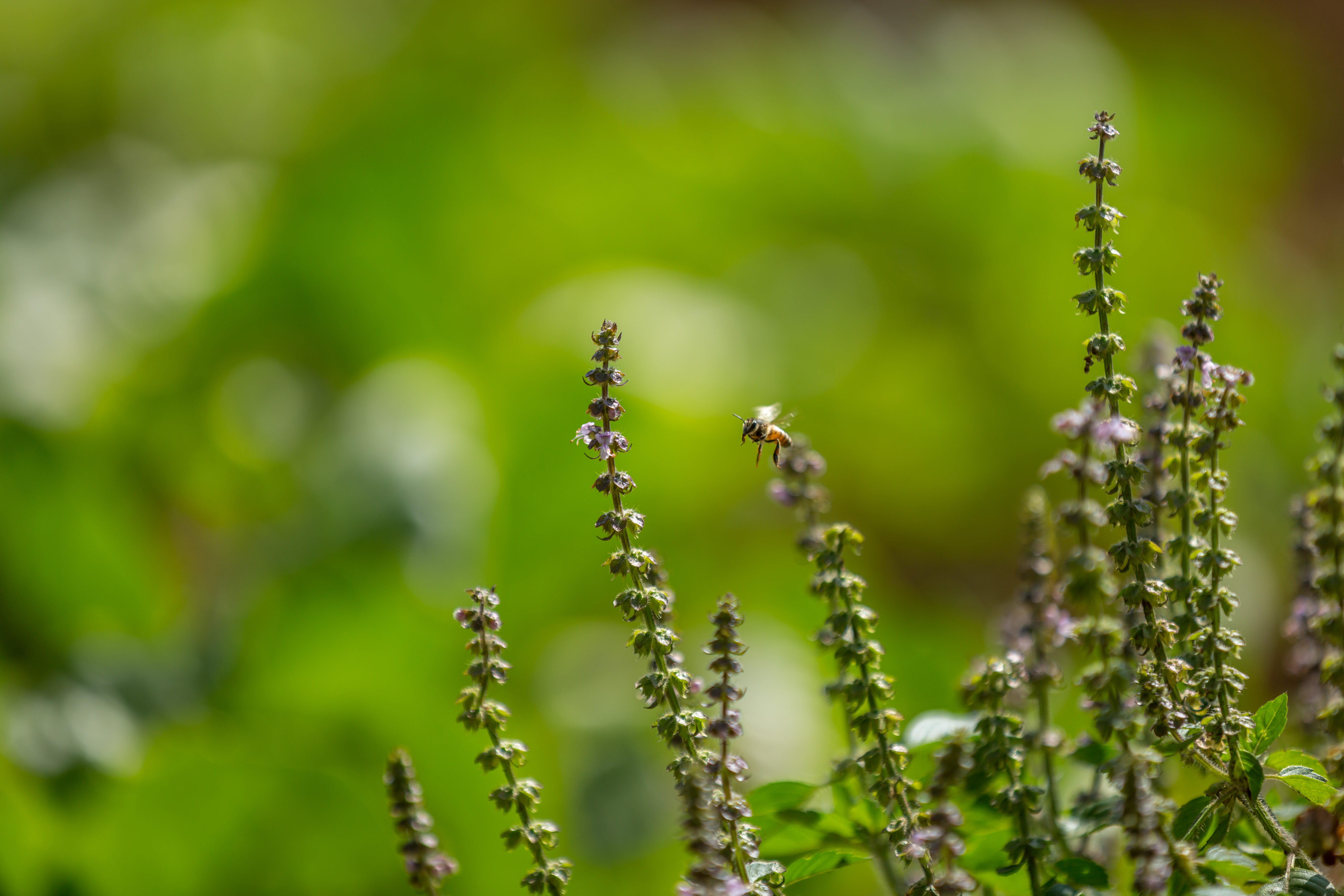
A major new report is warning that human activity could lead to the extinction of 1 million species. The Global Assessment of Biodiversity and Ecosystem Services, which will be published later this month, warns that our food, water, energy sources and way of life face serious challenges if we do not change the way we use nature. The report brings together work from 150 leading global experts from 50 countries, and also builds on previous contributions from scientists supported by the CGIAR Research Program on Water, Land and Ecosystems (WLE).
The Intergovernmental Science-Policy Platform on Biodiversity and Ecosystem Services (IPBES), who commissioned the report, describes it as a definitive new global synthesis of the state of nature, ecosystems and nature’s contributions to people. Two previous IPBES report series, the Land Degradation and Restoration Assessment and the Regional Assessment Reports for Africa, the Americas…

Related news
-

ICRISAT to Deliver World-Class Services as CGIAR’s Breeding Resources South Asia Hub
07.07.25-
Biodiversity
-
Food security
Strategic collaboration to scale innovation and deliver harmonized, high-quality support across CGIA…
Read more -
-

Multifunctional Landscapes that reconcile food production, with ecosystem restoration and biodiversity conservation
06.07.25-
Biodiversity
-
Environmental health & biodiversity
The CGIAR Multifunctional Landscapes Science Program (MFL SP) is driven by a bold vision of…
Read more -
-
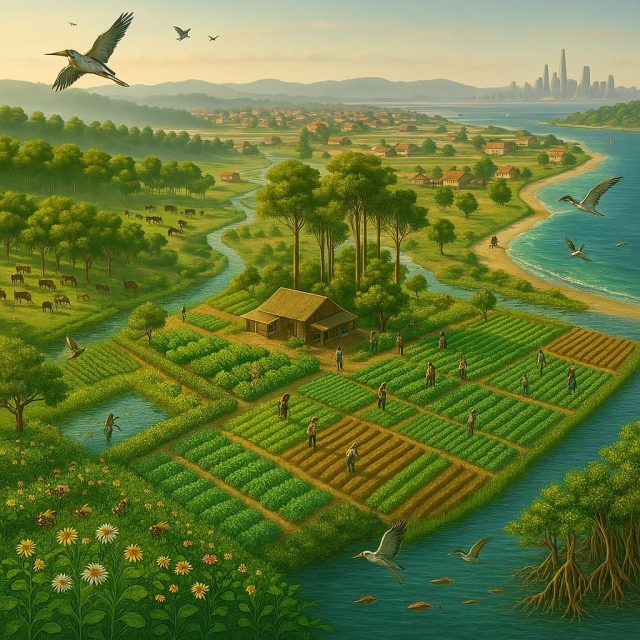
Agrobiodiversity for People and Planet: How Multifunctional Landscapes Safeguard Diversity, Resilience, and Livelihoods
30.05.25-
Biodiversity
-
Climate adaptation & mitigation
-
Environmental health & biodiversity
-
Food security
-
Health
-
Nutrition
Agriculture and food systems have significantly affected over 75% of Earth's land surface, polluted …
Read more -