
- From
-
Published on
26.09.19
- Impact Area
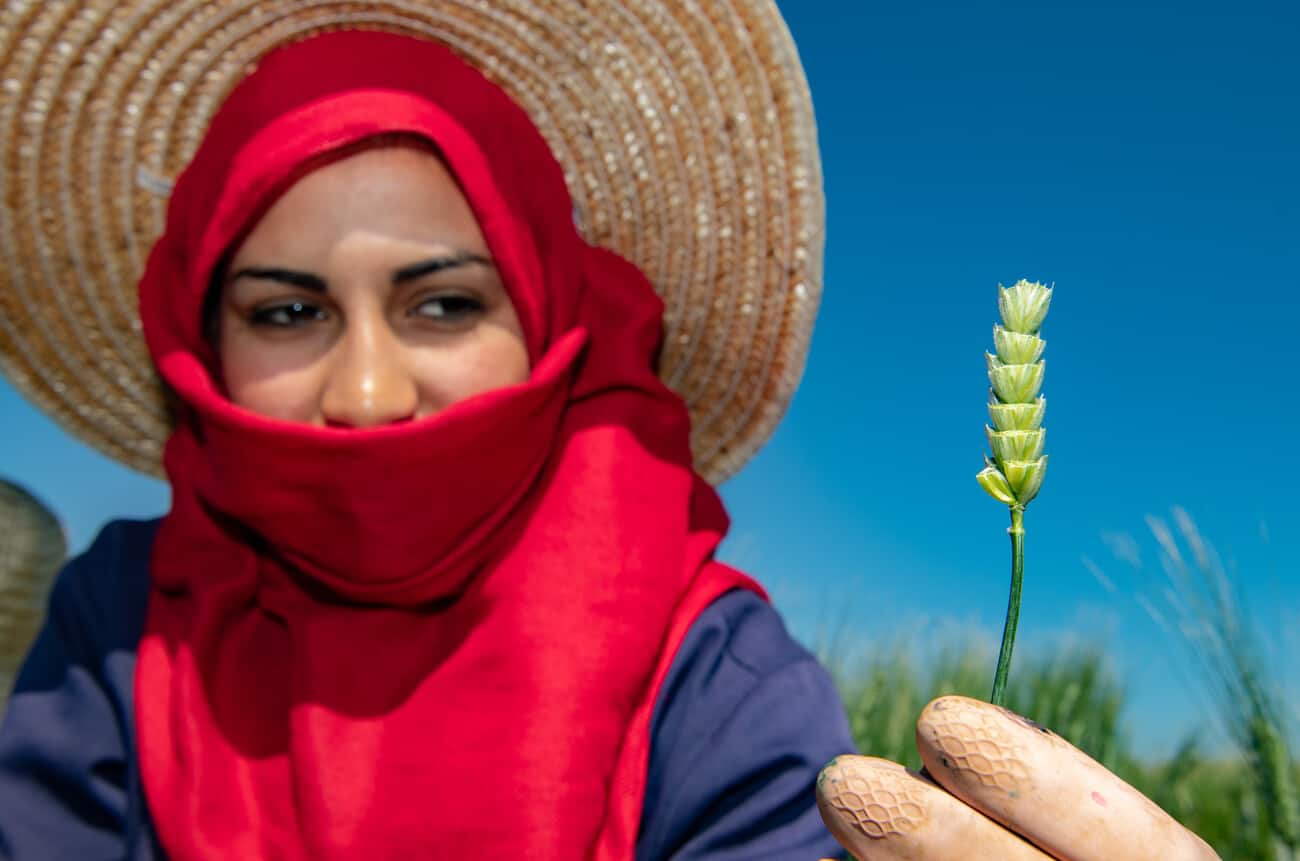
Target 2.5 of the SDGs calls for maintaining “the genetic diversity of seeds, cultivated plants and farmed and domesticated animals and their related wild species.” It is an ambitious target, with an expectation that we will meet it by 2020.
Thankfully, there are already mechanisms in place to help us on our way. The International Treaty for Plant Genetic Resources for Food and Agriculture (Plant Treaty) is there to ensure the conservation and sustainable use of all plant genetic resources for food and agriculture and the fair and equitable sharing of the benefits arising from their use.
But how much will it cost to fulfill our global obligations under the Plant Treaty? The treaty’s funding strategy suggests that an extra $1.1 billion a year is needed until 2030 to ensure the conservation and sustainable use of crop diversity around the world at an adequate level. What happens if these funds are not forthcoming?
Related news
-

ICRISAT to Deliver World-Class Services as CGIAR’s Breeding Resources South Asia Hub
07.07.25-
Biodiversity
-
Food security
Strategic collaboration to scale innovation and deliver harmonized, high-quality support across CGIA…
Read more -
-

Multifunctional Landscapes that reconcile food production, with ecosystem restoration and biodiversity conservation
06.07.25-
Biodiversity
-
Environmental health & biodiversity
The CGIAR Multifunctional Landscapes Science Program (MFL SP) is driven by a bold vision of…
Read more -
-
Agrobiodiversity for People and Planet: How Multifunctional Landscapes Safeguard Diversity, Resilience, and Livelihoods
30.05.25-
Biodiversity
-
Climate adaptation & mitigation
-
Environmental health & biodiversity
-
Food security
-
Health
-
Nutrition
Agriculture and food systems have significantly affected over 75% of Earth's land surface, polluted …
Read more -