
- From
-
Published on
04.11.20
- Impact Area
-
Funders
Gates Foundation, Germany
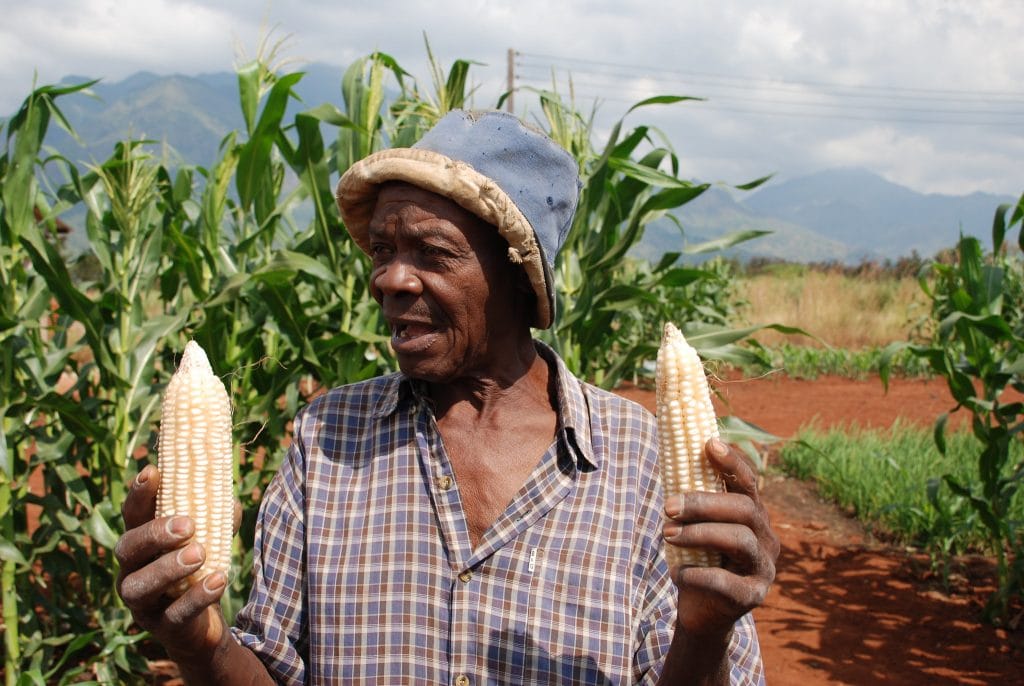
Global climate change represents an existential threat to many of the world’s most vulnerable farmers, introducing new stresses and amplifying the unpredictability and risk inherent in farming. In low- and middle-income countries that are heavily reliant on domestic production, this increased risk and unpredictability threatens disastrous consequences for the food security and wellbeing of rural and urban populations alike.
Given the stakes, substantial investments have been made towards developing climate-resilient crops. But what happens when the innovations widely considered to be beneficial don’t gain traction on the ground, among those who stand to lose the most from inaction? What can researchers, policymakers and funders do to ensure that the most vulnerable rural populations don’t lose out on the benefits?
Related news
-

Mapping for Resilience: How Spatial Data is Transforming Karamoja Cluster
02.07.25-
Climate adaptation & mitigation
Pastoral communities in the Karamoja Cluster (a region spanning Kenya, Uganda, South Sudan, and Ethi…
Read more -
-

Building Resilience and Regeneration: The Central Highlands Ecoregion Foodscape (CHEF)
02.07.25-
Climate adaptation & mitigation
At the CGIAR Sustainable Farming Program (SFP), we believe that collaboration is essential for trans…
Read more -
-

Planting with Precision: How Weather and Climate Information is Changing Bean Farming in Rwanda
01.07.25-
Climate adaptation & mitigation
Imagine weather information as a GPS for farmers. Without it, the journey becomes uncertain, filled…
Read more -